Stubborn Coatings Stripped to Bare Substrate
Abrasive Blasting in Columbus for industrial equipment, storage tanks, and structures with heavy scale, thick coatings, or contaminant buildup
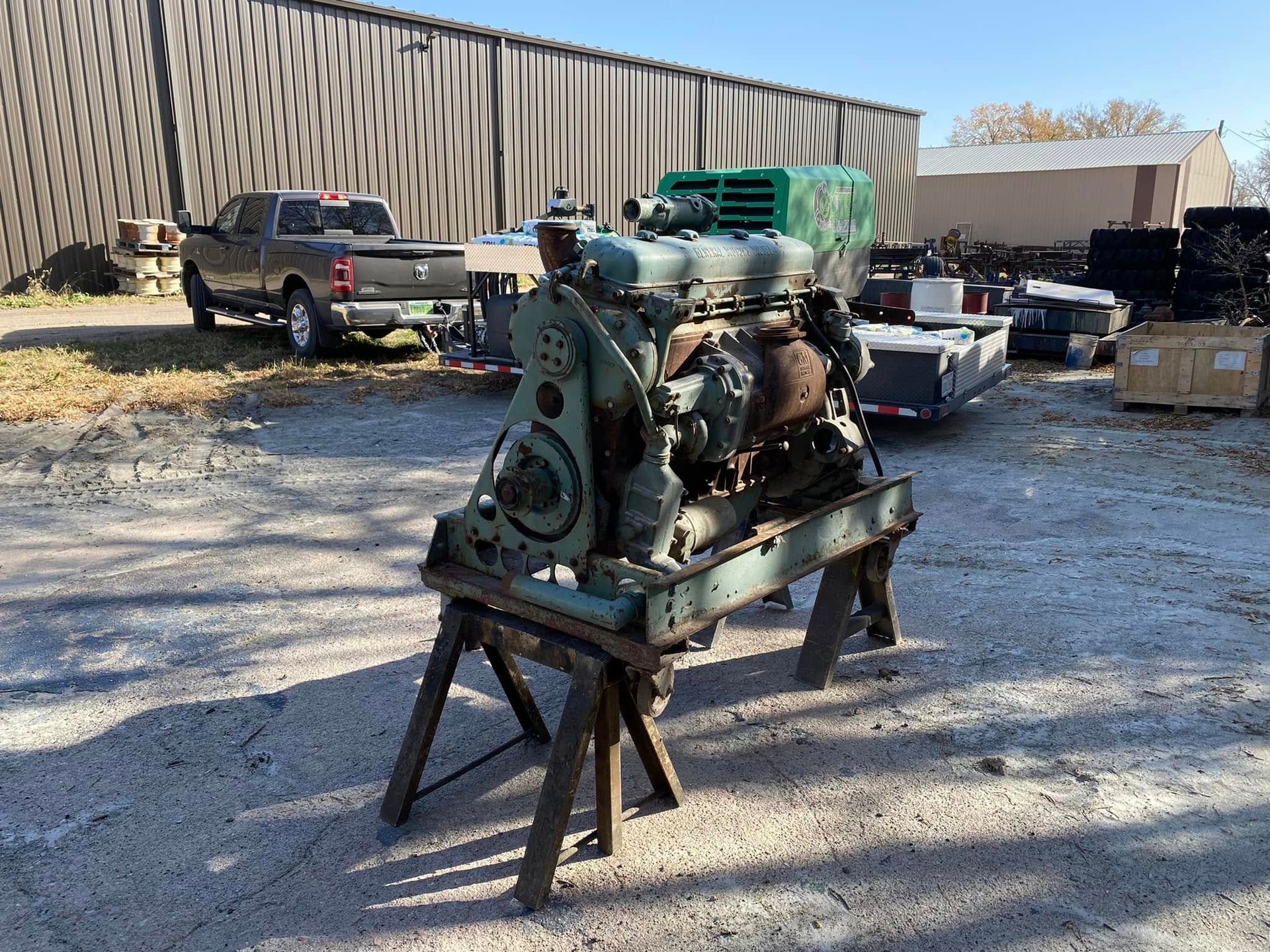
Heavy industrial coatings, baked-on contaminants, and thick rust scale resist standard cleaning methods and require abrasive impact to dislodge material down to the base substrate. Elite Mobile Blasting and Painting provides abrasive blasting for agricultural operations, commercial facilities, and industrial sites across Columbus and Freemont, matching blasting media hardness, size, and velocity to the specific material being removed and the substrate being treated. The process prepares surfaces for protective coatings by creating uniform texture profile that improves mechanical bonding and long-term coating durability.
Different projects demand different abrasive media—softer materials for aluminum and thin steel, harder angular media for heavy rust and thick paint on structural components, and fine abrasives for detail work on machinery. Elite Mobile Blasting and Painting selects media based on coating thickness, substrate hardness, and the surface profile required for the finish coatings that will follow. Silicon-free media used throughout eliminates silica dust hazards common to traditional sandblasting operations.
Request a free quote to match abrasive blasting specifications to your facility or equipment restoration requirements.
The Difference Between Abrasive Types and Applications
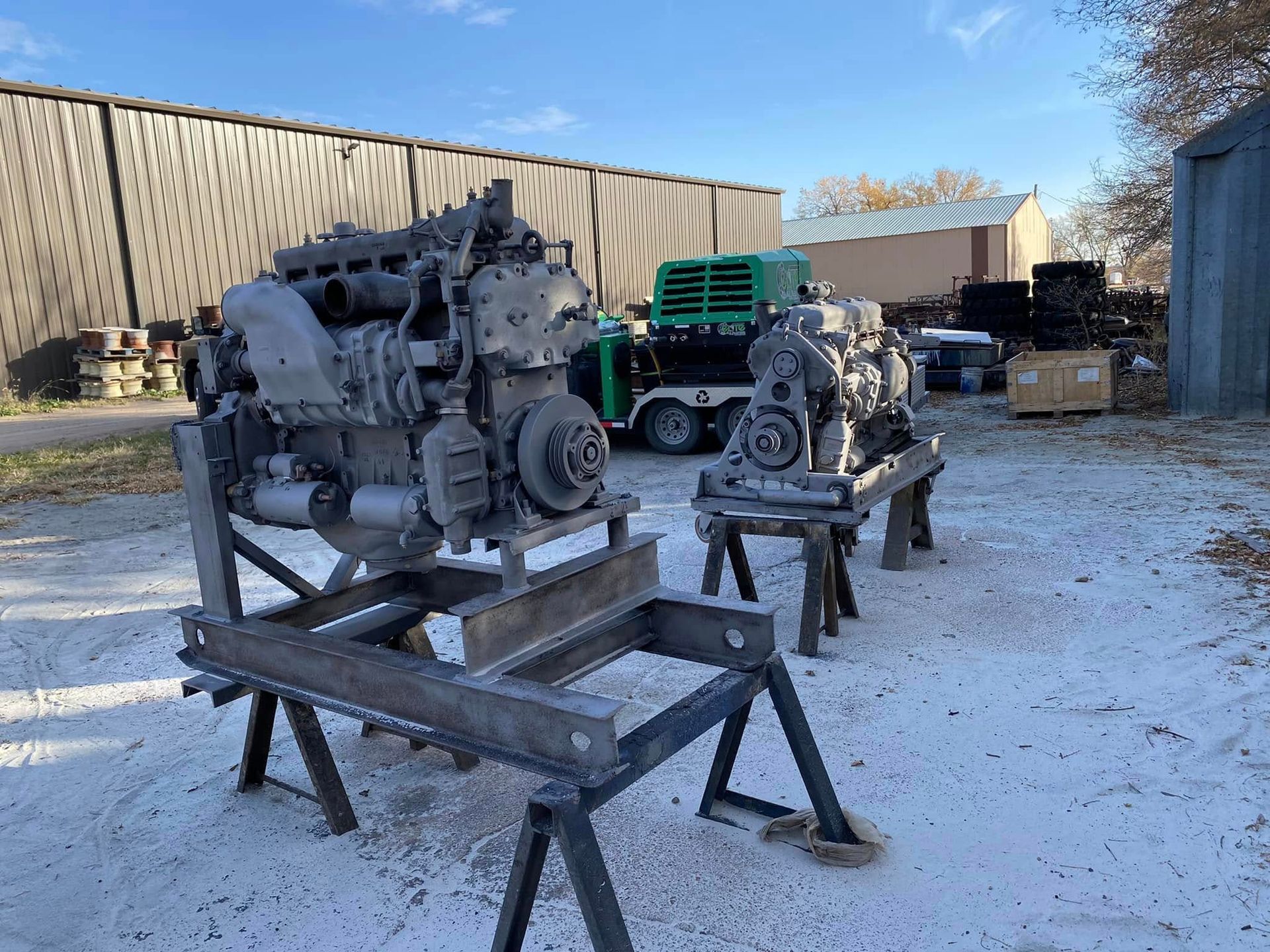
Media selection affects both cleaning effectiveness and substrate condition after blasting—angular abrasives cut through coatings faster and create deeper anchor profiles, while rounded media cleans with less surface etching for applications where minimal texture is preferred. Blasting pressure adjusts to control impact energy, with higher pressures removing material faster but increasing the risk of warping thin sheet metal or eroding softer substrates.
After abrasive blasting, surfaces show consistent texture with no coating edges, contaminant residue, or oxide scale remaining—just clean substrate with visible profile that holds primer mechanically. Coating adhesion improves significantly compared to painting over marginally prepared surfaces, extending the service life of protective finishes applied to equipment, tanks, and building exteriors exposed to weather and chemical environments.
The service includes mobile blasting for large fixed structures and equipment that cannot be relocated, plus in-house blasting for trailers, machinery components, and items that transport easily to the facility. Industrial operations, agricultural properties, and commercial buildings all use abrasive blasting before applying coatings designed to withstand demanding exposure conditions.
Questions Before Starting Your Project
Facility managers and equipment owners planning restoration projects ask about abrasive blasting specifications before committing to surface preparation work.
What makes abrasive blasting more effective than other surface prep methods?
Abrasive impact physically removes coatings and contaminants rather than relying on chemical dissolving or mechanical scraping, reaching into pits and crevices that other methods leave untreated and creating texture that improves coating adhesion.
How is blasting media chosen for a specific project?
Media hardness, particle size, and shape are matched to substrate type and the coating being removed—harder angular abrasives for thick rust on heavy steel, softer rounded media for thinner metals where warping is a concern.
Why does surface profile matter for coating performance?
Abrasive blasting creates microscopic peaks and valleys that anchor primer mechanically, preventing coatings from peeling under stress and extending finish durability on equipment and structures exposed to harsh conditions common in Nebraska agricultural and industrial environments.
What contaminants does abrasive blasting remove?
The process strips paint, rust, mill scale, grease, chemical residue, and other surface contaminants that prevent proper coating adhesion, leaving only clean base material ready for primer application.
When should abrasive blasting be done relative to coating application?
Blasting and priming should occur on the same day when possible, since bare metal begins flash-rusting within hours in humid conditions, compromising the clean surface profile that makes abrasive blasting effective.
Elite Mobile Blasting and Painting offers both mobile and in-house abrasive blasting depending on project scale and equipment access. Call for a free estimate that specifies media selection, surface profile standards, and coordination with coating application for your restoration project.